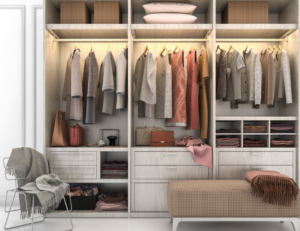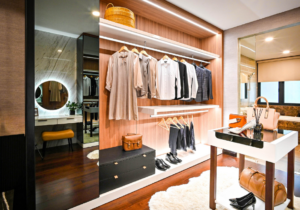
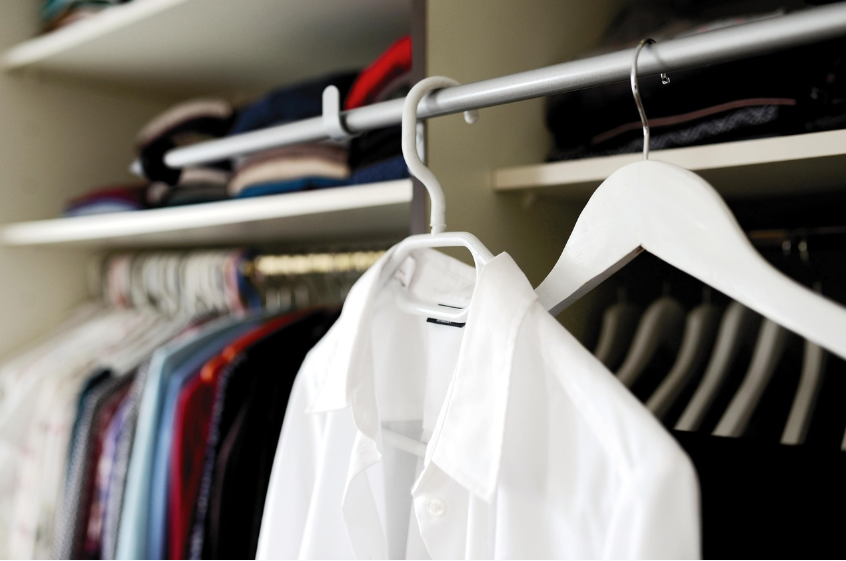
A closet should help your day run well, not add stress each time you open the door. A closet renovation can turn a cramped, mixed-up space into a calm spot where daily items stay easy to find.
Begin With Daily Habits
Start by looking at what you own and how you use it. Coats, work wear, shoes, bags, and sports gear need their own type of space. A closet renovation works best when the plan suits real habits, not a stock layout.
Think about the rush of a workday morning. The items you grab most should sit at eye level or within easy reach. Less-used items can go on high shelves, in drawers, or in bins set near the back.
Use Each Wall
Many closets waste room above the main rod or near the floor. Tall shelves can hold bins, spare sets, or items kept for only part of the year. A second rod can also add space for shirts, pants, and kids’ wear.
Corners need care as well. A well-made shelf or pull-out unit can turn a hard-to-use spot into a handy home for bags or shoes. This type of plan helps small Toronto homes gain storage without adding a new room.
Give Items A Home
Clutter often starts when an item has no set place. A clear spot for shoes, belts, bags, and folded wear makes it much easier to put each item away. The goal is not to fill every inch. The goal is to make the space easy to keep tidy.
Drawers can help hide small items that tend to drift onto shelves. Pull-out racks can keep pants, ties, and other wear in view. For a child’s room, low rods and open bins can make clean-up feel less hard.
- Put daily wear in the front or middle zone.
- Keep high shelves for spare sets and rare-use items.
- Use drawers for small items that can make a shelf look messy.
- Leave some open space for new items and gifts.
Plan For Each Season
Toronto homes need room for thick coats, boots, hats, and gloves in winter. In spring and summer, those items can move to high shelves or closed bins. This swap can free up the main area for light wear and daily gear.
A good system should adapt as life shifts. A child may need more school space over time, while a home office may need room for files or tech gear. Moveable shelves and rods can help the storage plan keep pace.
Keep The Look Calm
Storage should fit the room instead of taking it over. Clean lines, well-fit doors, and a shade that suits the room can make a closet feel like part of the home. That matters in bedrooms, hallways, and entry areas where clutter stands out.
Good light can help too. You should be able to see what you own without digging through dark shelves. A bright, neat space may also make it easier to spot items that no longer serve a use.
Avoid Common Layout Errors
Do not add shelves without first checking what must hang. Long coats, dresses, and suits need more height than shirts and folded wear. A plan with only one type of storage may look neat at first but soon cause more pileups.
Also, do not block access with deep drawers or bulky units. Doors and drawers should open with room to spare. A site visit helps confirm that the final plan fits the room, its paths, and the people who use it.
Make Storage Work For You
A better closet can make mornings calmer, bedrooms neater, and seasonal swaps less of a chore. It should reflect how your home works now while leaving room for changes later.
Visit Superior Closets to discuss a custom storage plan for your Toronto or GTA home. Their team can help turn a problem closet into a useful, well-ordered part of your day.